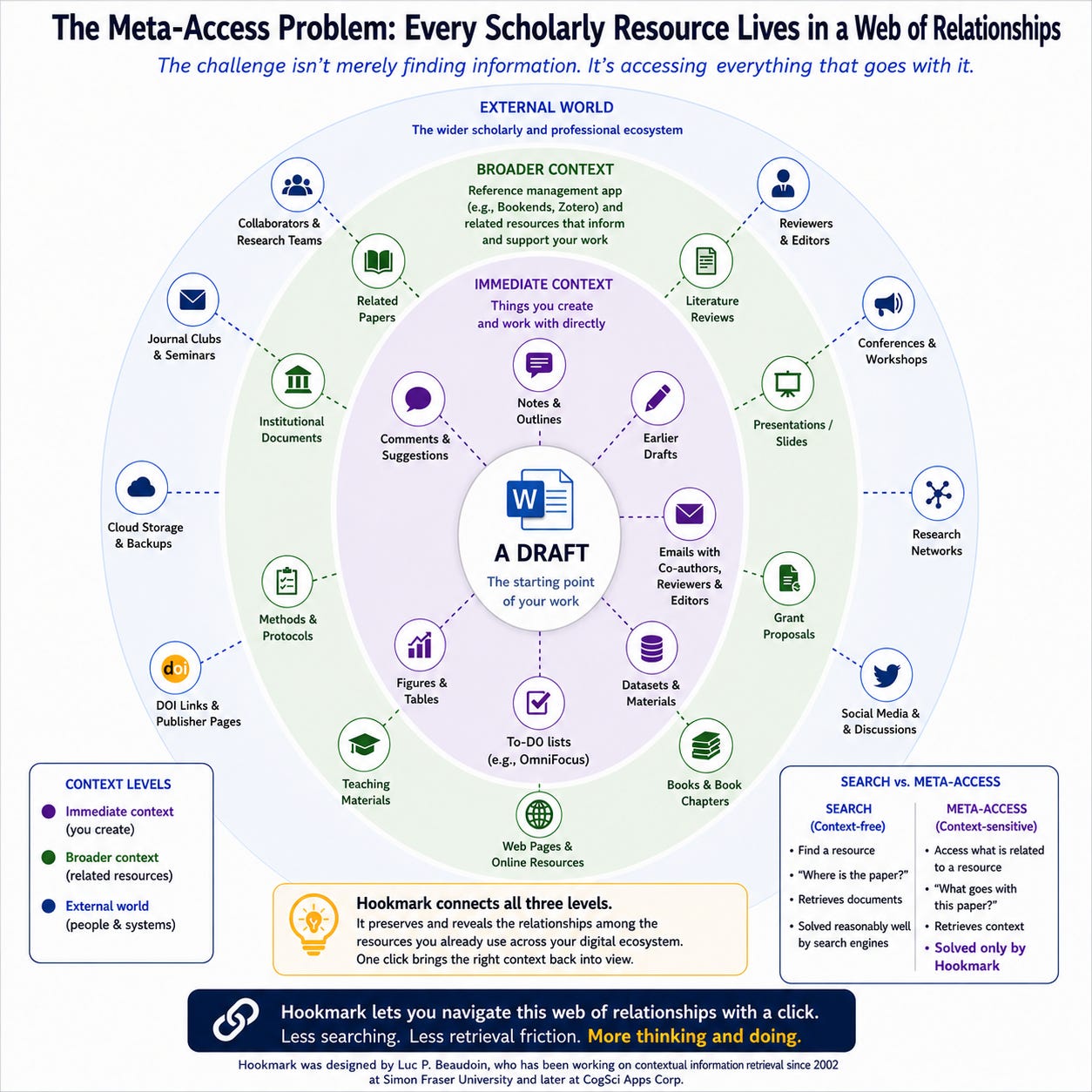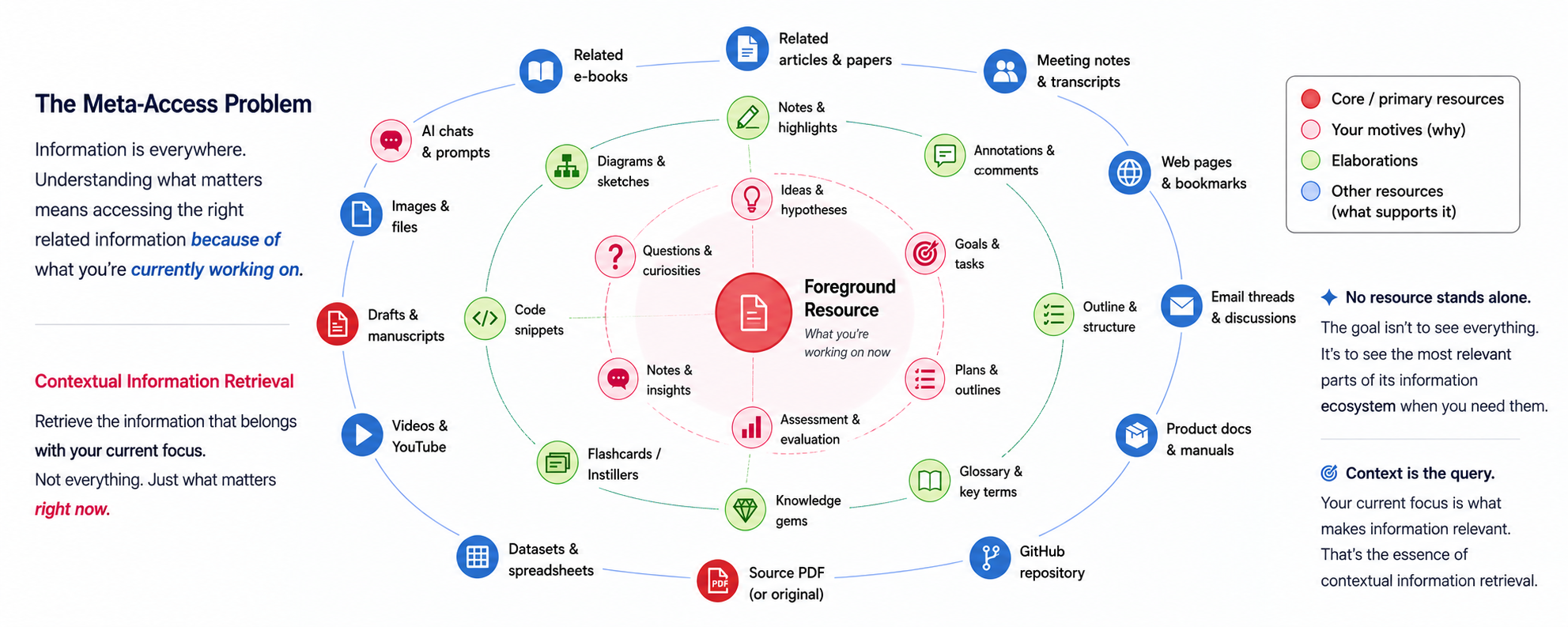
We’re delighted to welcome Merlin Project, made by ProjectWizards, as our Partner of the Month of October! Merlin Project helps you plan projects, coordinate work and track progress.
Merlin Project is a highly respected project-management app for Mac, iPad and iPhone. It combines Gantt charts, Kanban boards, mind maps and resource planning to help you organize complex projects, coordinate work and track progress.
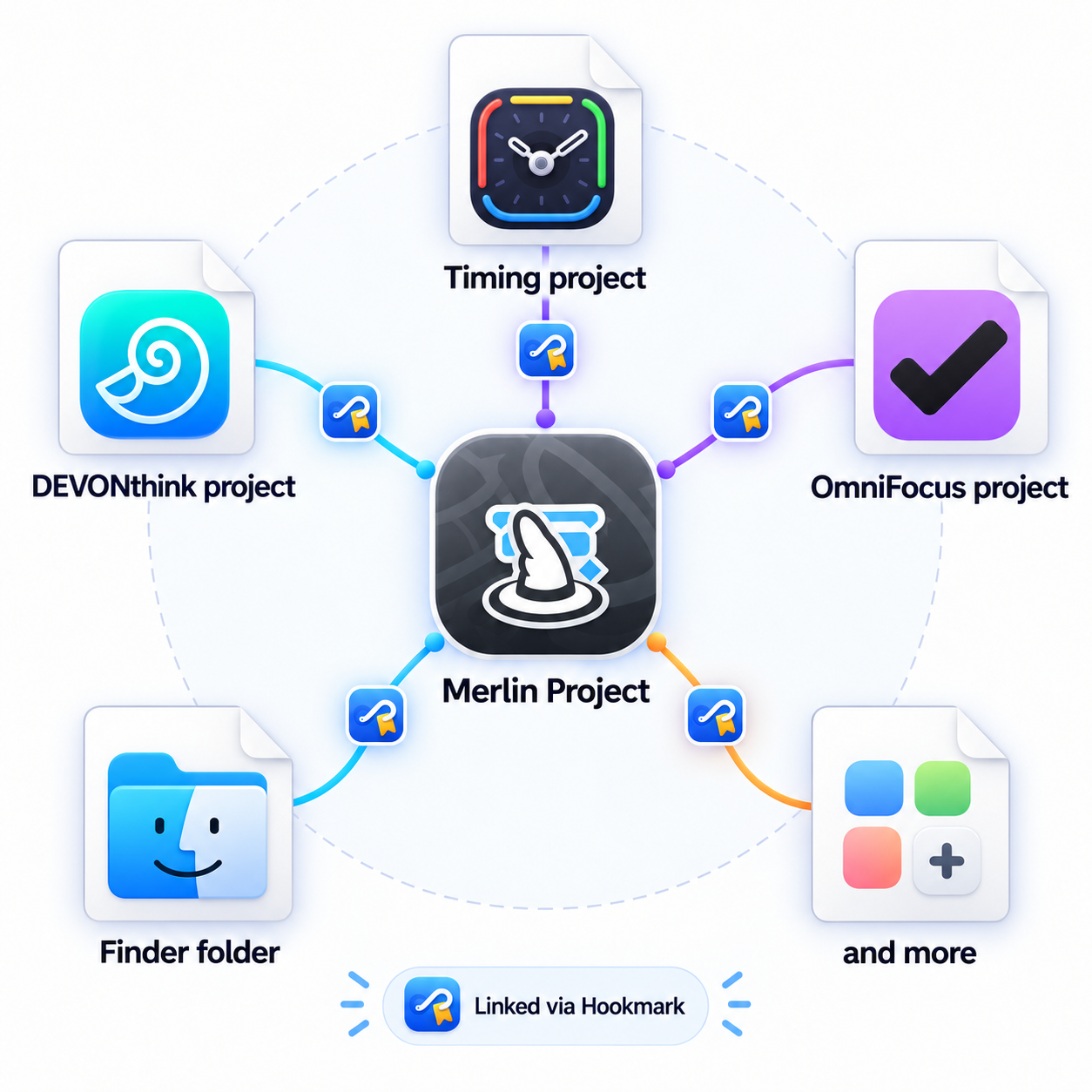
Merlin Project and Hookmark work particularly well together. With Hookmark, you can bidirectionally link individual Merlin Project activities to supporting information in other compatible apps, including files, emails, notes and web pages. For example, you could hook a project activity to its brief, a client’s email and your meeting notes. You can then move between the activity and its supporting information without searching or navigating through folders. Your information stays in the apps where it belongs, connected to the work that requires it.
You can also use Hookmark’s Copy Link and Copy As Markdown Link commands to place links to Merlin Project activities in your notes and other documents. And with Hook to New > Merlin Project, you can create a new project file that is already linked to the resource you are working with. See our guide to using Hookmark with Merlin Project for details.
New to Merlin Project? ProjectWizards offers a free 30-day trial so you can explore its features with your own projects.
German-Canadian collaboration
Merlin Wizards is a German company. Our prime minister, Mark Carney, Canada’s 🇨🇦 Prime Minister, encourages Canadian businesses to develop ties with EU and Asian companies. We’re delighted that this partnership with ProjectWizards offers a great example of what he intends.

Speaking of which, Hookmark will soon be available in German, French and Japanese.
Join the discussion
Join the discussion of [this topic on our forum](Merlin Project: Hookmark’s Partner for the month of October – Hookmark)